McLaughlin & Nardi, LLC is pleased to announce that Maurice McLaughlin was named to the “Top 100: New Jersey Super Lawyers” list in the 2026 edition of New Jersey Super Lawyers*. Maurice has been included on the Super Lawyers list since 2012 before being named to the Top 100 list this year. In addition, Pauline Young was included on the New Jersey Super Lawyers list from 2020-2025.
Super Lawyers’ selection criteria is as follows. “Super Lawyers selects attorneys using a patented multiphase selection process. Peer nominations and evaluations are combined with independent research. Each candidate is evaluated on 12 indicators of peer recognition and professional achievement. Selections are made on an annual, state-by-state basis. The objective is to create a credible, comprehensive and diverse listing of outstanding attorneys that can be used as a resource for attorneys and consumers searching for legal counsel. Since Super Lawyers is intended to be used as an aid in selecting a lawyer, we limit the lawyer ratings to those who can be hired and retained by the public… The final published list represents the top 5 percent of lawyers in the state. The lists are published annually in state and regional editions of Super Lawyers magazines and in inserts and special advertising sections in leading city and regional magazines and newspapers. All attorneys selected for inclusion in Super Lawyers, regardless of year, can be found on SuperLawyers.com.”
Maurice, with Frank Nardi, founded the law firm in 2002, and practices in employment, commercial and construction litigation. He is also a mediator appointed by the Superior Court to mediate civil litigation. Maurice is the author of the book New Jersey Public Employment Law published by Gann Law Books, now in its 14th edition. Maurice is admitted to the state bars in New Jersey, New York and Massachusetts, and the United States Supreme Court.
 New Jersey Lawyers Blog


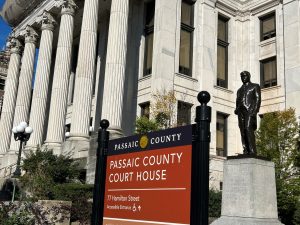
 Jersey appeals court recently examined when harassment does, and doesn’t, constitute a continuing violation in the case of Michael Acey vs. City of Paterson, Manuel Ojeda and William Rodriguez.

 a hiring list for failure of these examinations.
 many Federal courts imposed a higher burden of proof on the employee. In cases of reverse discrimination, employees in New Jersey state courts and many federal courts had to satisfy the “Background Circumstances Rule,” which requires that the employee prove that he “has been victimized by the unusual employer who discriminates against the majority.” However, in 2025, the United States Supreme Court unanimously struck down the Background Circumstances Rule in